





Every Street Has One House Everyone Secretly Wishes They Owned
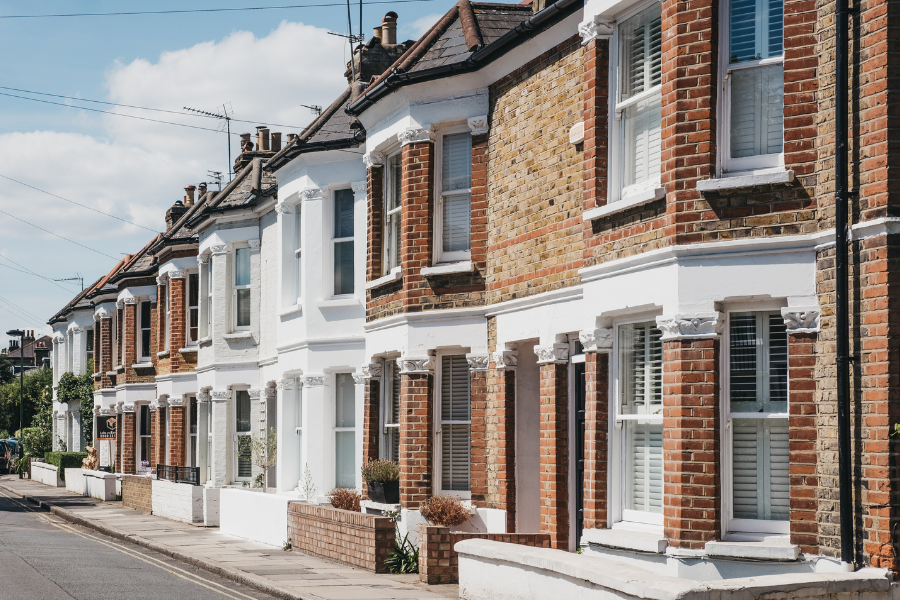
Every street has one. The house everyone slows down to look at.
It’s not obvious. No one suddenly stops or points it out. It’s more subtle. Maybe you’re walking the dog or driving home after work. On a Sunday afternoon, you might go for a walk before putting the roast in the oven. Without thinking, your eyes wander to that house.
It isn’t the biggest on the road. It isn’t the newest. It certainly isn’t the most expensive.
If it showed up on Rightmove tomorrow, you’d probably take a look. Not because you want to move, but simply because you’ve always been curious about what’s inside.
We’ve all done this. We picture the kitchen, wonder if there’s an extension at the back, and imagine the garden’s layout. Curiosity often gets the better of us.
So what makes one house quietly stand out while another, even if it costs much more, barely gets noticed? The answer isn’t really about money. It’s something harder to buy: good judgement.
It’s Never About One Thing
It’s easy to assume the most admired house on the street belongs to the family with the biggest budget. In reality, that’s rarely the case. Some of the most memorable homes are surprisingly modest. They simply feel complete.
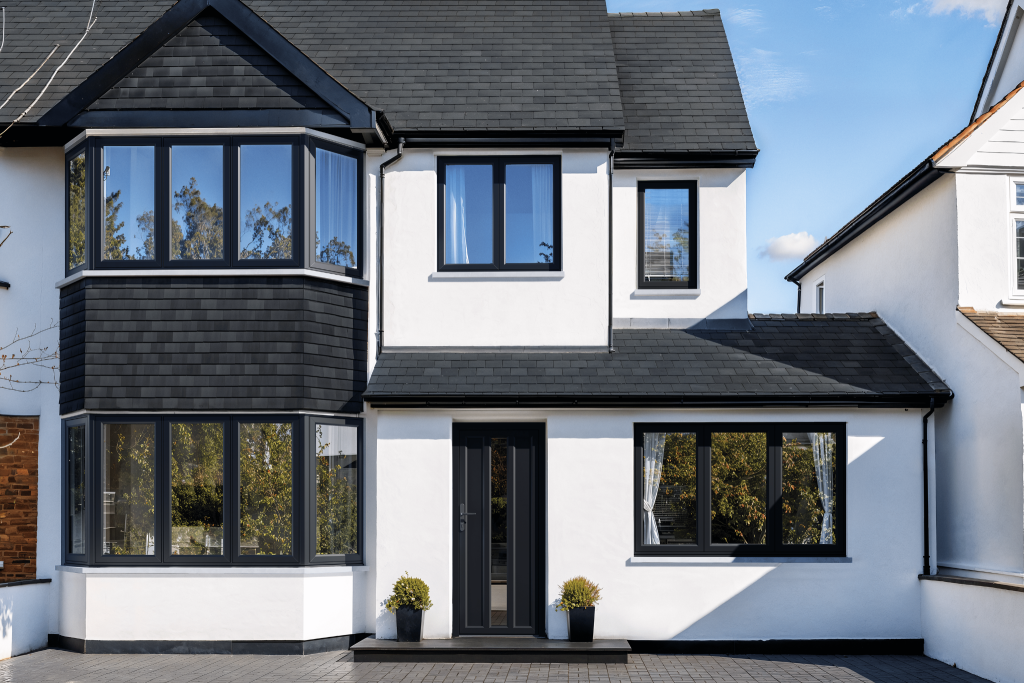
The windows fit the house. The front door matches the style instead of standing out. The garden goes well with the building instead of drawing too much attention. Even small details, like lighting and plants, work together easily.
Nothing demands your attention. Everything earns it.
That’s often the difference between a house that catches your eye for a moment and one that stays in your mind long after you’ve walked past.
Good kerb appeal isn’t created by one expensive feature. It’s the result of dozens of thoughtful decisions that build on each other over time.
That’s probably why the best-looking homes don’t seem like they changed overnight. They’ve grown and improved bit by bit, with each choice respecting what was already there.
The result isn’t perfection. It’s a sense of harmony.
The Secret Is Consistency
Take a moment to think about the houses that have stayed in your memory over the years.
Chances are that you couldn’t list every detail. You probably wouldn’t remember the exact colour of the front door or whether the windows opened inwards or outwards. What you’ll remember is how the house made you feel.
Balanced. Welcoming. As though everything was exactly where it should be.
That’s because we’re good at noticing when something feels right, even if we can’t explain it right away.
A home where everything works together always feels more inviting than one with changes made separately.
A beautiful front door can lose its impact if it clashes with tired windows. Equally, a stunning new set of windows won’t quite achieve their full effect if they’re surrounded by peeling paintwork or an overgrown front garden.
It’s rarely one feature that makes a house stand out. It’s how all the features work together.
That’s why the homes we admire most weren’t made in one big renovation. They changed over time, with each improvement carefully chosen and each new addition fitting the home’s character.
The end result doesn’t feel designed to impress. It simply feels right.
And perhaps that’s why those houses are so memorable. They never look as though they’re trying too hard. They simply look like homes that have been thoughtfully cared for.
Choosing Products That Suit the House
One of the biggest misconceptions in home improvement is that newer automatically means better.
In reality, the best improvements are the ones that feel as though they’ve always belonged.
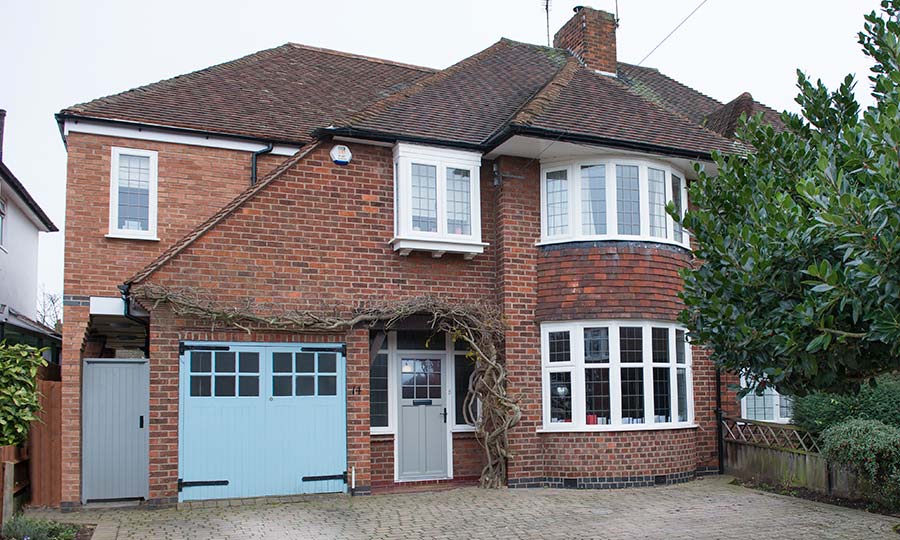
A Victorian terrace doesn’t need to look like a glass box. Equally, a contemporary self-build shouldn’t be weighed down by traditional styling that doesn’t suit its clean architectural lines.
The most successful homes respect their own character.
That’s why choosing windows and doors should never be about chasing the latest trend. It’s about finding products that complement the proportions, materials and personality of your home.
For some properties, that might mean the traditional styling of Halo Rustique, with its classic proportions and authentic detailing. For others, Halo System 10 provides a clean, versatile solution that’s equally at home on a 1930s semi or a modern family house.
Homeowners looking for a more contemporary appearance can also explore the new Omnia window and door range, which combines slim, elegant sightlines with the everyday practicality of modern PVCu.
Complete the picture with a composite front door that complements your home’s character, and suddenly everything begins to feel connected.
These choices aren’t about making your home look like someone else’s. They’re about making it the best version of itself. That’s often what separates a house people admire from one they remember.
Looking at Your Own Home a Little Differently
The next time you walk home, try something. Stop at the garden gate for a moment before you go inside. Look at your house as though you’re seeing it for the first time. What catches your eye? More importantly, what doesn’t?
Perhaps you’ll realise you’ve been meaning to replace the front door for years. Maybe the windows have served you faithfully for decades but are beginning to show their age. Or perhaps everything is in good condition, but you’ve never quite achieved that feeling that it all belongs together.
The good news is that creating a home people admire rarely happens all at once.
It’s usually the result of small, considered improvements made over time. A new front door. Replacement windows that better suit the property’s character. Fresh planting. Updated lighting.
Each change builds on the last, and before you know it, your home is the one people slow down to admire. Not because it’s bigger or more expensive, but because it feels complete.
And if someone finds themselves browsing the Rightmove listing one day, simply because they’re curious to see what it’s like inside…
…you’ll know you’ve probably got it right.