





Why the Best Home Improvements Start Long Before the First Brick Is Laid
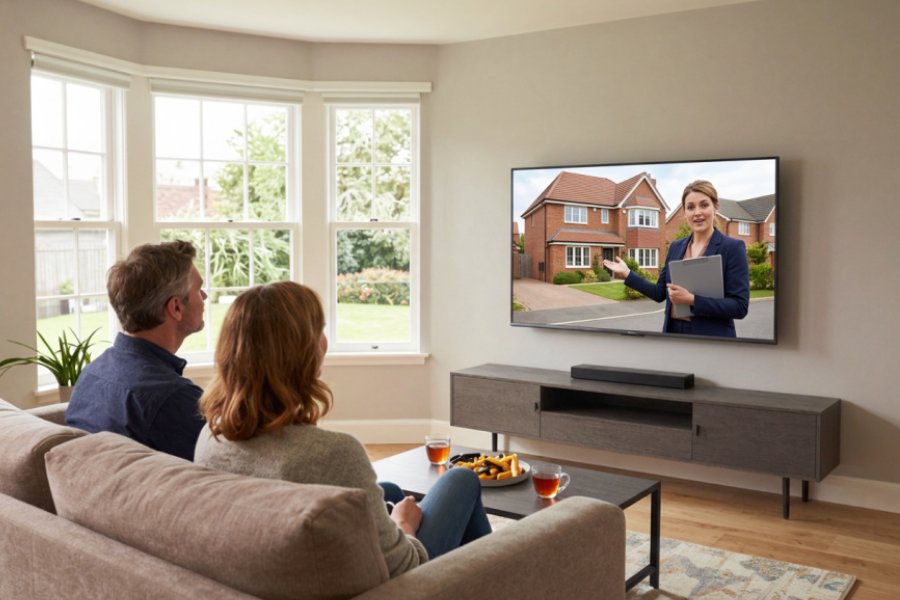
Why We Can’t Stop Watching Other People Improve Their Homes
There’s a reason programmes like Love It or List It have been a fixture on British television for years. It isn’t really about the houses. It’s about the people.
Give any family enough time and they’ll reach that familiar crossroads. The kitchen suddenly feels too small. The spare room has quietly become an office. The children are somehow taller than you remember. Storage has disappeared. The house hasn’t changed, but life certainly has.
Then comes the question.
Do we put it up for sale, or do we make this one work a little harder?
If you’ve ever watched Kirstie gently encouraging homeowners to think bigger while Phil quietly points out what they could buy around the corner, you’ll know it rarely comes down to bricks and mortar. It’s about emotion. Memories. Schools. Neighbours. The dog who knows exactly which fence to bark at.
Most of us don’t really want a different house. We just want this one to work a bit better.
That’s why so many families who begin these programmes convinced they’re moving end up unpacking the removal boxes they never actually used. Once the work is finished, they discover they didn’t want a new postcode after all. They simply wanted more light, more space and a home that finally reflected the way they live today.
It’s a familiar story because it’s happening in towns and villages across Britain every single day.
It Always Starts So Innocently…
Ask anyone who’s improved a home and they’ll probably tell you the same thing. “It was only supposed to be a small job.” Perhaps it was replacing the front door. Maybe it was updating the windows. Or knocking through the kitchen into the dining room.
Then someone says those four little words every builder has heard hundreds of times. “While we’re at it…”
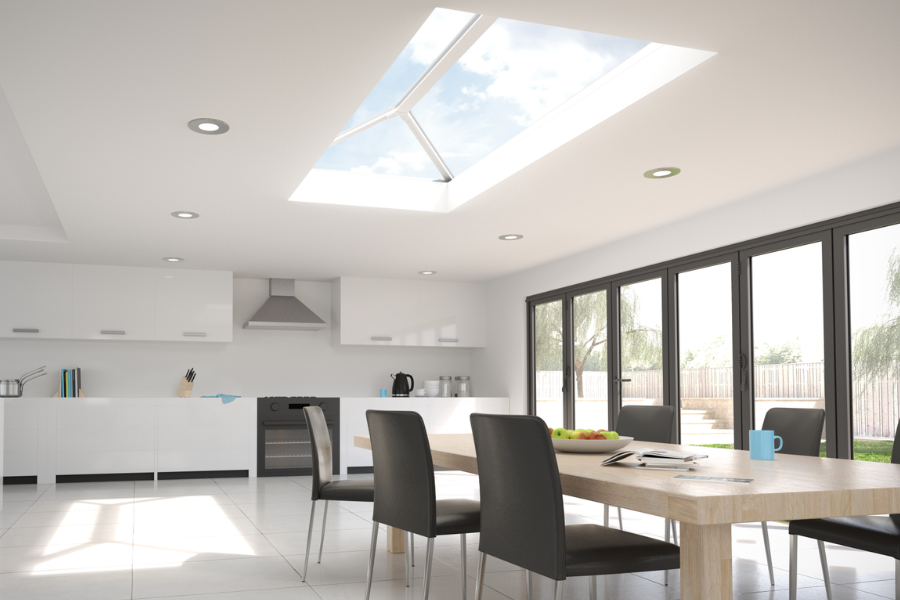
While we’re at it, should we replace the patio doors as well? While we’re at it, perhaps a roof lantern would make the room brighter. While we’re at it, maybe the outside of the house could do with freshening up too.
Before long, the notebook on the kitchen table is full of ideas, your phone camera contains dozens of screenshots and you’ve somehow developed surprisingly strong opinions about shades of grey you never knew existed. It’s all perfectly normal.
Improving your home has a habit of making you notice things you’ve happily ignored for years.
The Best Decisions Are Rarely the Quickest
There’s something wonderfully optimistic about the early stages of any home improvement project. Everything feels possible. Budgets are neat. Timescales seem realistic. Everyone agrees.
Fast forward a few weeks and you’re standing in a showroom discussing handles, glazing options and colours that all looked completely different under the lighting at home. It’s enough to make anyone’s head spin.
That’s often when people make one of two mistakes. Some become overwhelmed and choose the cheapest option simply because they want another decision ticked off the list. Others keep adding “just one more upgrade” until the original budget is little more than a distant memory.
Neither approach usually leads to the best outcome. The homeowners who seem happiest a few years later are often the ones who slowed down long enough to ask a simple question. “How do we actually want this house to feel?” It’s surprising how many decisions become easier once you’ve answered that.
A family hoping to create a brighter, more sociable kitchen might make completely different choices from someone restoring the character of an Edwardian home. Neither is right or wrong. They’re simply designing around different lives. And perhaps that’s the point. The best home improvements aren’t about copying recreating a house you admired on television. They’re about creating a home that feels unmistakably yours.
When Looking Beyond the Price Tag Makes All the Difference
We’ve all heard someone say it. “I wish we’d spent a bit more the first time.” It’s usually followed by a story about replacing something twice, living with a compromise that became more irritating every year or choosing the quickest option simply because there were too many other decisions to make.
Ironically, the things we see every single day are often the ones worth thinking about most carefully. Windows are a perfect example.
Nobody wakes up excited to compare frame profiles over breakfast. Yet they’ll look through those windows every morning for the next twenty or thirty years. They’ll notice how much light comes into the room on a spring afternoon, whether the proportions suit the house and how the whole property looks when they pull onto the drive after work.
Those everyday moments matter far more than the extra hour spent choosing the right product. Sometimes the most expensive decision isn’t spending a little more. It’s wishing you had.
The Things Nobody Tells You Before You Start
There’s another lesson that comes up time and time again on programmes like Love It or List It.
The projects people remember most fondly aren’t always the biggest or the most expensive. They’re the ones where everything feels as though it belongs together.
A beautiful new kitchen can lose some of its impact if it still looks out onto tired windows. Likewise, replacing the windows but leaving an ageing front door can make the outside of the house feel unfinished.
That’s not because either decision was wrong. It’s simply because our eyes naturally look for balance.
It’s why architects often talk about proportion and why good designers spend so much time thinking about how different elements work together. Most homeowners wouldn’t describe it in those terms, of course. They’d simply say, “It looks right.”
And that’s probably the best compliment any home can receive. Not, “That must have cost a fortune.” Just, “It looks like it was always meant to be like that.”
We Spend More Time Looking at Our Homes Than We Think
One of the biggest surprises after any home improvement project is how quickly the new becomes normal. The excitement of completion fades. The builders leave. The dust settles. Life carries on. But the little details stay with you.
You notice how much brighter the kitchen feels when you’re making a cup of tea on a Saturday morning. You catch yourself looking back at the house as you pull onto the drive after work. Friends arrive and say, “It feels lovely in here,” without quite being able to put their finger on why. Those are the moments worth investing in.
They’re also the reason choosing products purely on price can sometimes be a false economy. Saving a little today might seem sensible, but if you’re quietly wishing you’d made a different decision every time you walk through the front door, was it really the cheaper option? Equally, spending money for the sake of it rarely makes sense either.
The goal isn’t to buy the most expensive windows or doors available. It’s to choose products that are right for your home, your lifestyle and the way you want it to look for years to come.
The Quiet Transformation of PVCu
Here’s something that still surprises a lot of homeowners.
Many of the homes people admire today aren’t fitted with aluminium or traditional timber at all. They’re looking at modern PVCu.
That catches people off guard because the material still carries a reputation built twenty or thirty years ago, when most replacement windows followed the same formula. White frames, chunky profiles and very little choice.
Things have moved on rather a lot since then.
Modern PVCu can be remarkably refined, with slimmer sightlines, authentic woodgrain finishes and colours that complement everything from period cottages to contemporary self-builds. Flush designs have become particularly popular because they create cleaner lines and a more considered appearance, whether they’re fitted to a Victorian terrace or a new extension.
It’s no longer about choosing PVCu because it’s the practical option.
Many homeowners now choose it because it delivers the appearance they were hoping for, alongside the performance they expected.
That’s a very different conversation.
Collections such as Omnia have embraced that change, offering the crisp, flush styling many people associate with premium architectural glazing while retaining the low maintenance and everyday practicality that made PVCu so popular in the first place.
For homeowners who prefer a more traditional look, Halo Rustique captures the character of classic timber windows, while Halo System 10 continues to offer a versatile solution that feels at home on a huge variety of British properties.
Different homes. Different personalities. Different priorities. Exactly as it should be.
The Best Homes Tell Your Story, Not Somebody Else’s
Scroll through social media for long enough and it’s easy to think every kitchen should be sage green, every front door should be black and every extension should have walls of glass. Then another trend comes along and everyone heads in a different direction. Homes don’t have to work like that.
The ones that age gracefully are usually the ones that were designed around the people living in them, rather than whatever happened to be fashionable that year.
That’s true whether you’re replacing a single front door or transforming the whole house.
Take ideas from everywhere. Borrow inspiration. Save photos. Visit showrooms.
But always come back to one simple question.
Does this feel right for our home?
If the answer is yes, you’re probably making the right decision.
Love It… and Love It for Years to Come
Perhaps that’s the real reason programmes like Love It or List It continue to resonate with so many of us. They’re not really about moving house.
They’re about rediscovering the one you already have. Sometimes all it takes is better use of space. Sometimes it’s more natural light. Sometimes it’s simply replacing the features that have quietly been letting the house down for years.
The happiest homeowners are rarely the ones who followed every trend or chased the cheapest quote. They’re the ones who took their time, planned carefully and created a home that feels unmistakably theirs.
Whether that means a contemporary extension with elegant flush windows, a beautifully restored period property or simply replacing tired windows and doors with something that complements the character of your home, the right choices should make everyday life a little more enjoyable.
After all, the best home improvements aren’t measured by how much they cost.
They’re measured by how good it feels to come home.